Testing Drainage Systems: Inside a 200-Foot Downspout Project in Pickerington
Double B Excavations & Grade LLC
Beyond Installation: Why Testing Matters
THE REAL COST OF INCOMPLETE CLEANUP
There's an old saying that goes "the proof is in the pudding."
In our line of work, we take that pretty seriously.
You can measure twice, use all the right tools, and follow every best practice in the book - but nothing beats seeing water flow exactly the way it should through a newly installed drainage system.
That's exactly why I found myself out in Pickerington this morning, running a simple but crucial test on yesterday's installation.
When you're dealing with water issues around your home, you don't want to wonder if the fix is working. You want to know for sure.
Welcome to Double B!
Project Overview
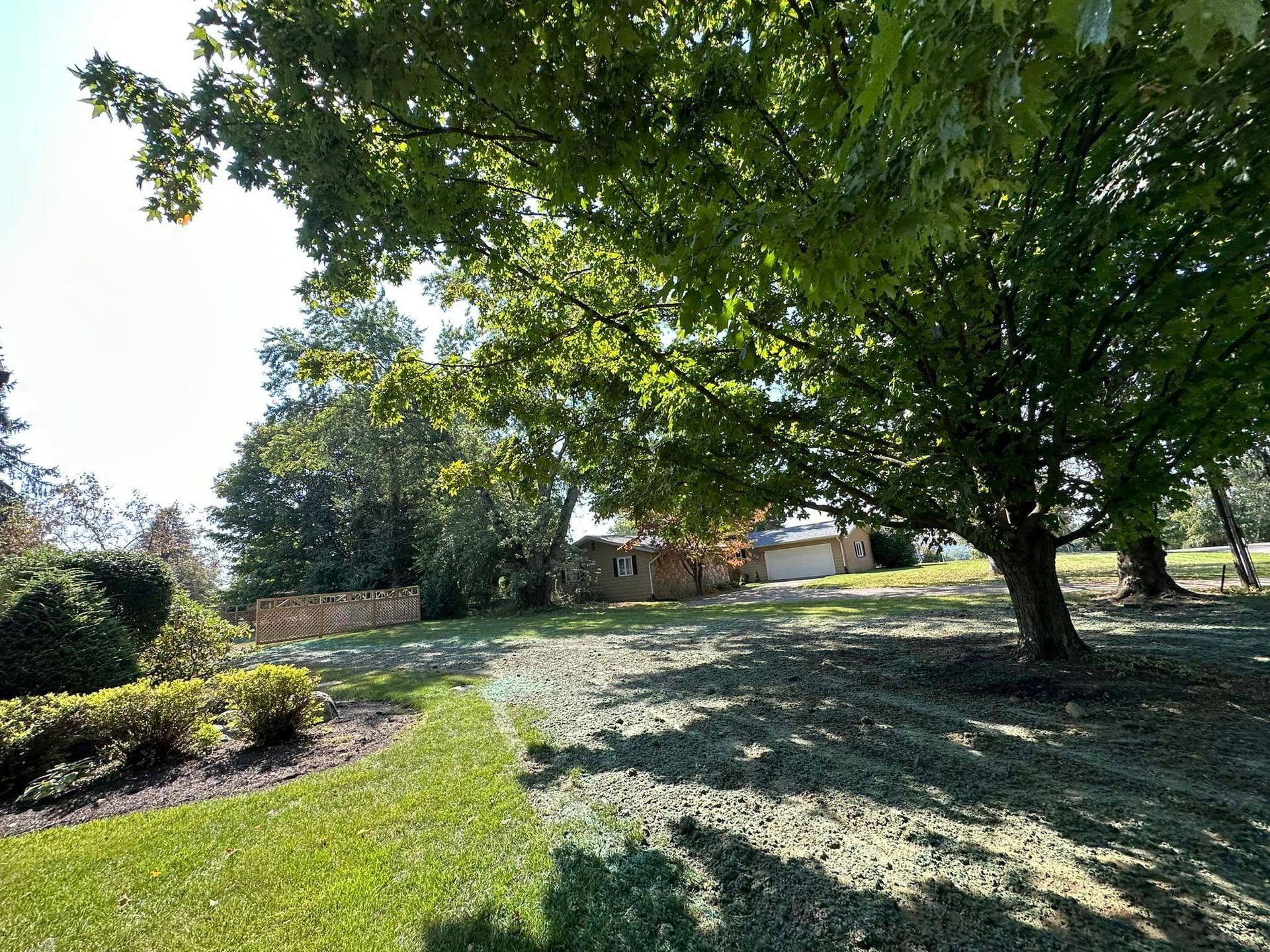
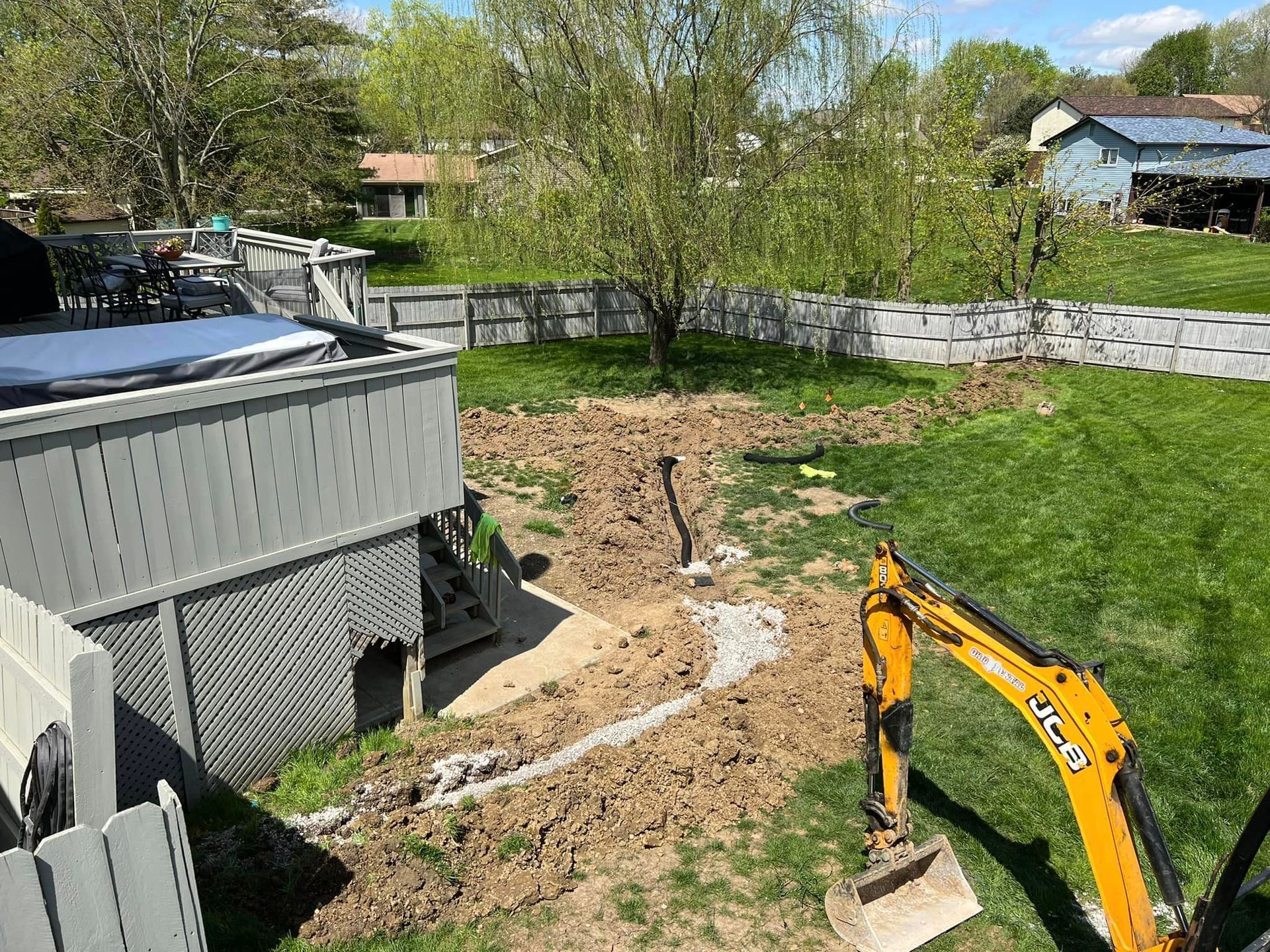
This particular job in Pickerington isn't small - we're talking about 200 feet of drainage pipe connecting four different downspouts. Day one was all about getting those connections right, making sure each corner of the house tied into our main drainage line perfectly. The goal here is simple: take water from around your foundation and move it where it needs to go.
Most contractors would call it done after checking their levels and measurements. And don't get me wrong - we absolutely use those tools too. But here's the thing about water: it doesn't care what your level says. It's going to flow how it's going to flow. That's why day two started with a real-world test that would show us exactly how the system performs.
The Testing Process
Let me walk you through exactly what we did this morning. After connecting those four downspouts yesterday, I showed up early today with one simple tool - a garden hose. Sometimes the best tests are the most straightforward ones. We don't need fancy equipment to see if water's flowing the way it should.
The test itself is pretty simple: run water through the system and time how long it takes to travel from start to finish. In this case, we're watching water move through 200 feet of pipe. When everything's installed correctly, we should see smooth, steady flow without any backing up or slowdowns.
Why This Extra Step Matters
You might wonder why we bother with this kind of testing when we've already used our levels and measurements. Here's the thing: water problems around your house aren't just inconvenient - they can be expensive and destructive. A flooded basement or damaged foundation isn't something anyone wants to deal with.
That's why we take the extra time to actually run water through the system. Sure, it might add a few minutes to the job, but it gives both us and our customers real peace of mind. When you can actually see water flowing properly through 200 feet of pipe in just 45 seconds, you know everything's working exactly as it should.
What Success Looks Like
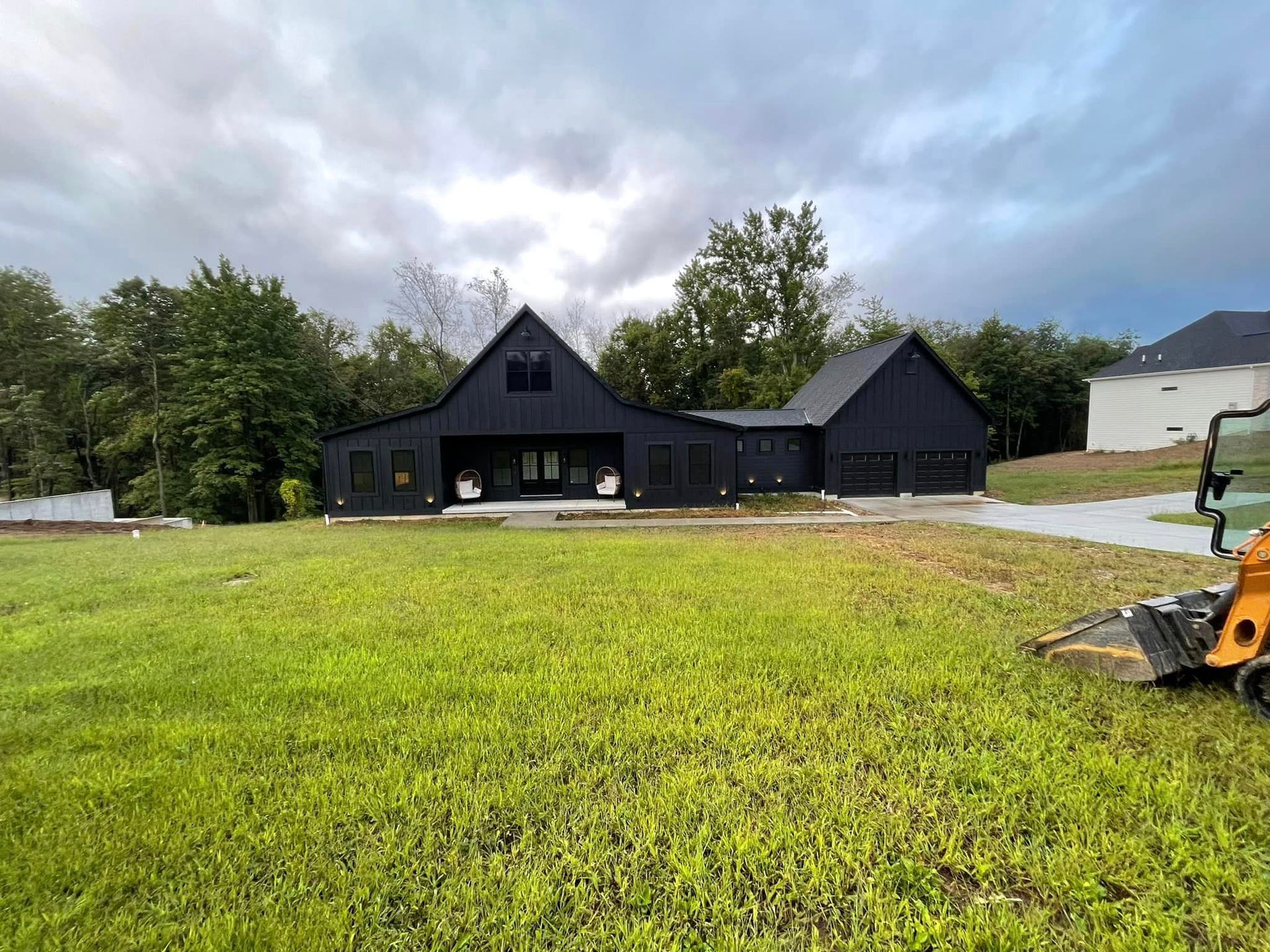
So what are we looking for during these tests? First, we want to see consistent flow - no stopping, no gurgling, no backup. In this Pickerington project, water made it through the entire 200-foot system in about 45 seconds. That's exactly what we want to see.
Think about it this way: during a heavy rain, your gutters are handling a lot more water than our test hose puts out. If our test water flows smoothly, you can trust the system will handle those big storms without breaking a sweat. It's about building confidence in the solution - both for us and for you.
Good drainage isn't just about moving water - it's about moving it efficiently and reliably. When we see water flowing perfectly through the system during our test, we know we've hit that mark. No guessing, no hoping - just solid results you can actually see.
Closing
At Double B, we've always believed that a job's not done until we can prove it works. That's why we were out in Pickerington this morning, running water through 200 feet of newly installed drainage pipe. It's not about checking boxes - it's about making sure every system we install performs exactly as promised.
When water travels through the entire system in 45 seconds, flowing smooth and steady, that tells us everything we need to know. But more importantly, it tells our customers everything they need to know. There's no better feeling than showing a homeowner their drainage system working perfectly, knowing they won't have to worry about water issues anymore.

Looking Forward
Water problems around your home aren't something to take chances with. Whether you're dealing with soggy yards, wet basements, or overflowing gutters, the solution needs to work right the first time. That's why we take these extra steps - because your peace of mind matters to us.
If you're in Pickerington or anywhere in central Ohio and dealing with drainage issues, we'd be happy to take a look. We'll not only design and install the right solution - we'll prove it works. Because at the end of the day, seeing is believing, and we want you to see exactly what we see: a system that just plain works.