What Goes Into a Barn Pad? A 60x60 Foundation Project Breakdown
Double B Excavations & Grade LLC
More Than Just Moving Dirt
THE FOUNDATION WORK THAT MAKES OR BREAKS YOUR BUILD
Most people driving by a construction site never think twice about the foundation work.
They see the finished barn or shop and figure someone just cleared some space and started building.
But here's the truth - what happens before that first wall goes up determines whether your project succeeds or becomes a headache.
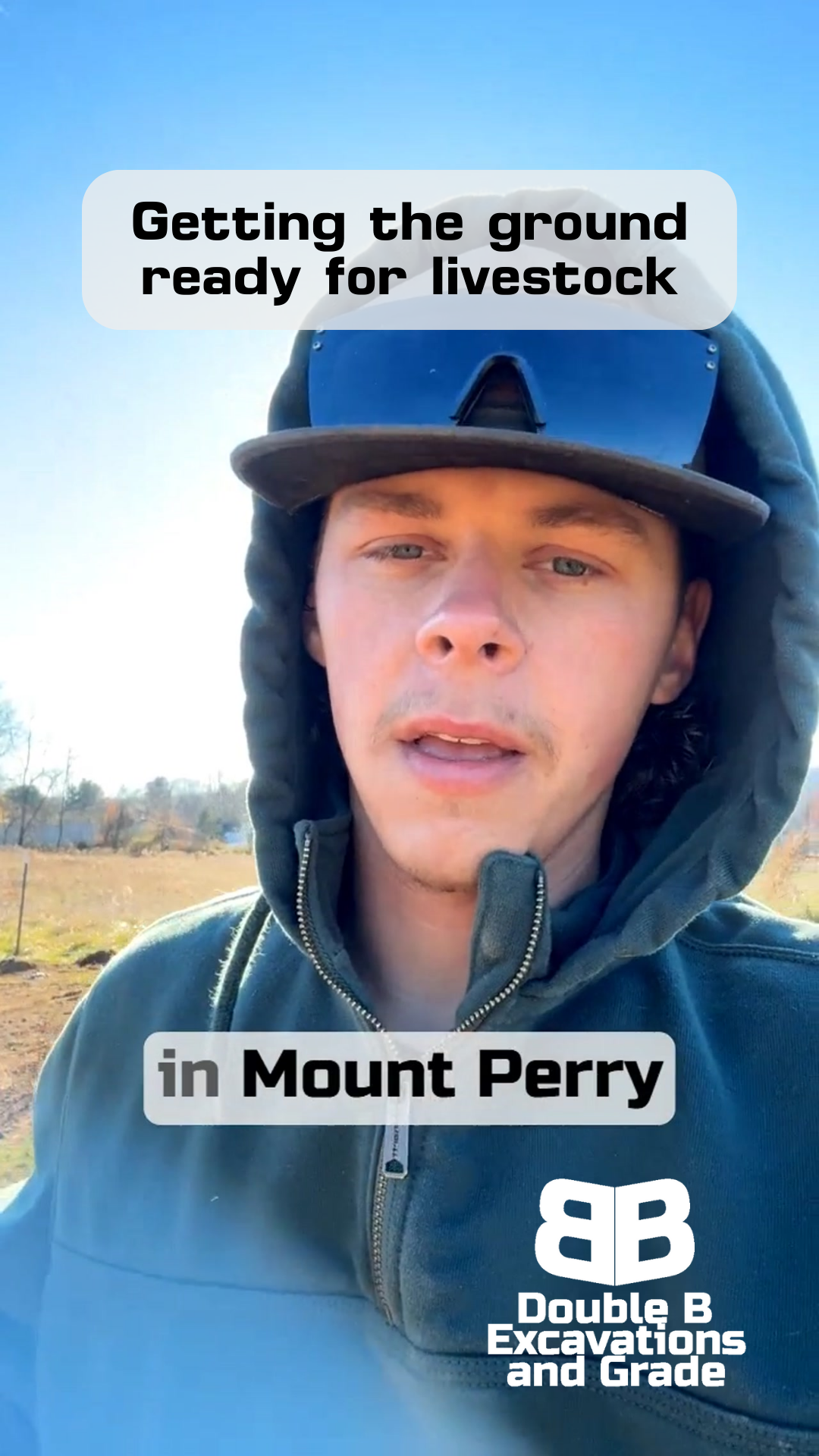
We just wrapped up a barn pad project in Mount Perry that shows exactly what goes into proper foundation prep.
Early mornings, careful planning, and yes - some unexpected challenges along the way.
But when we finished leveling that 60x60 pad, we didn't just create a flat spot.
We built a construction-ready foundation that'll make every step of the December build go smoother.
Whether you're planning a barn, a shop, or any kind of outbuilding, understanding what goes into pad preparation helps you make better decisions and avoid costly mistakes down the road.
Welcome to Double B!
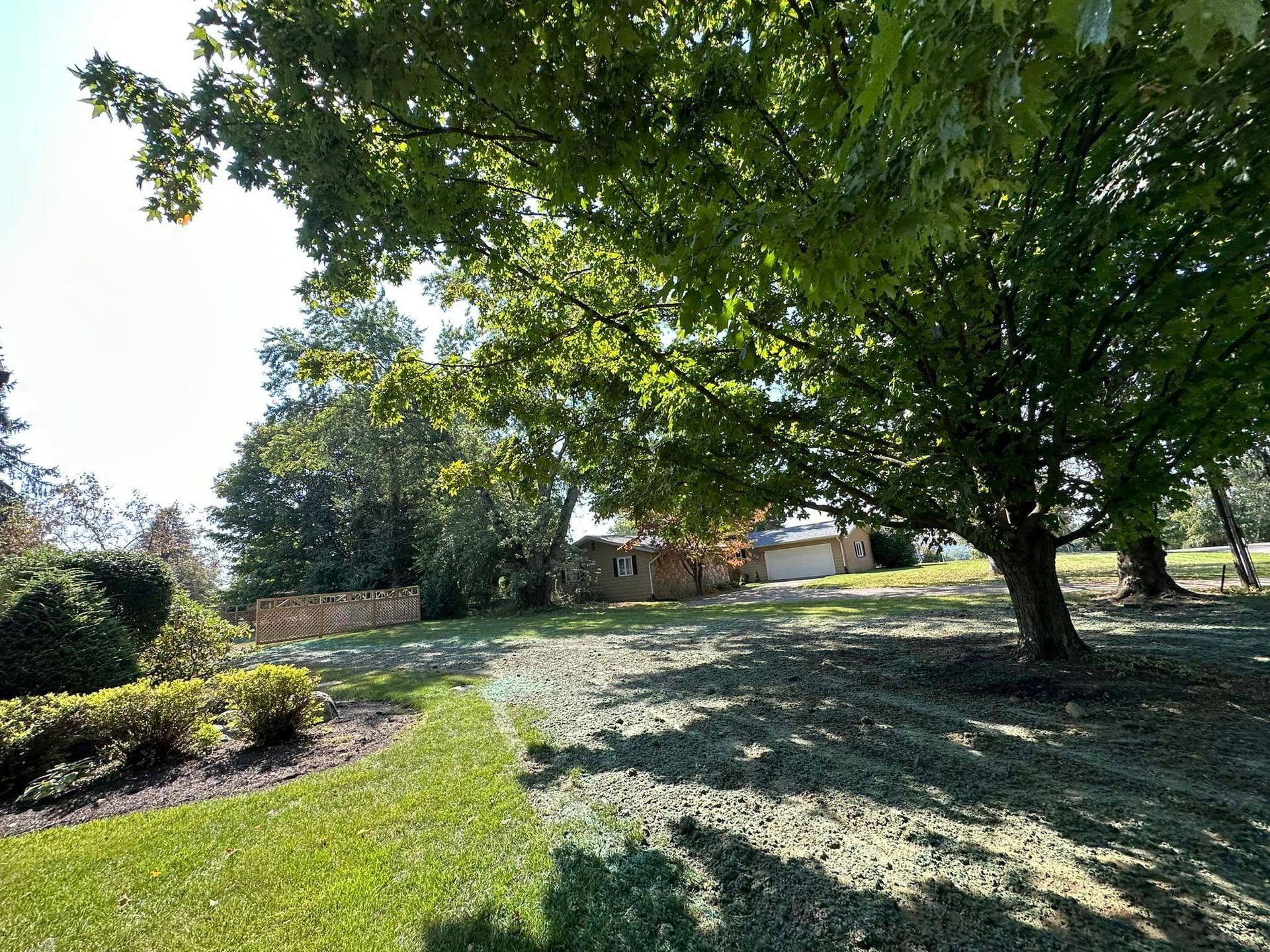
Project Scope and Planning
When this customer first reached out, the plan was straightforward: build a 60x50 pad for a new shop. The barn itself would be 40x48 with lean-tos coming off the back and left side. Simple enough, right?
But here's something we've learned over the years - plans on paper don't always match reality on the ground. Once we got out there and started looking at the space, talking through how the build would actually work, we realized something. An extra 10 feet would make a huge difference. Not just for us doing the pad work, but for everyone who'd be working on this project after us.
So we built it 60x60 instead. That extra space gives the construction crew room to maneuver, space for the customer to park and take measurements, and better overall functionality once the barn is up. Sometimes spending a little more upfront saves everyone time and trouble later.
The timeline worked out perfectly too. We got this finished early, well ahead of the first week of December when they'll start building. That means if the customer needs to use the space before construction starts, it's ready. No waiting, no rushing, no problems.
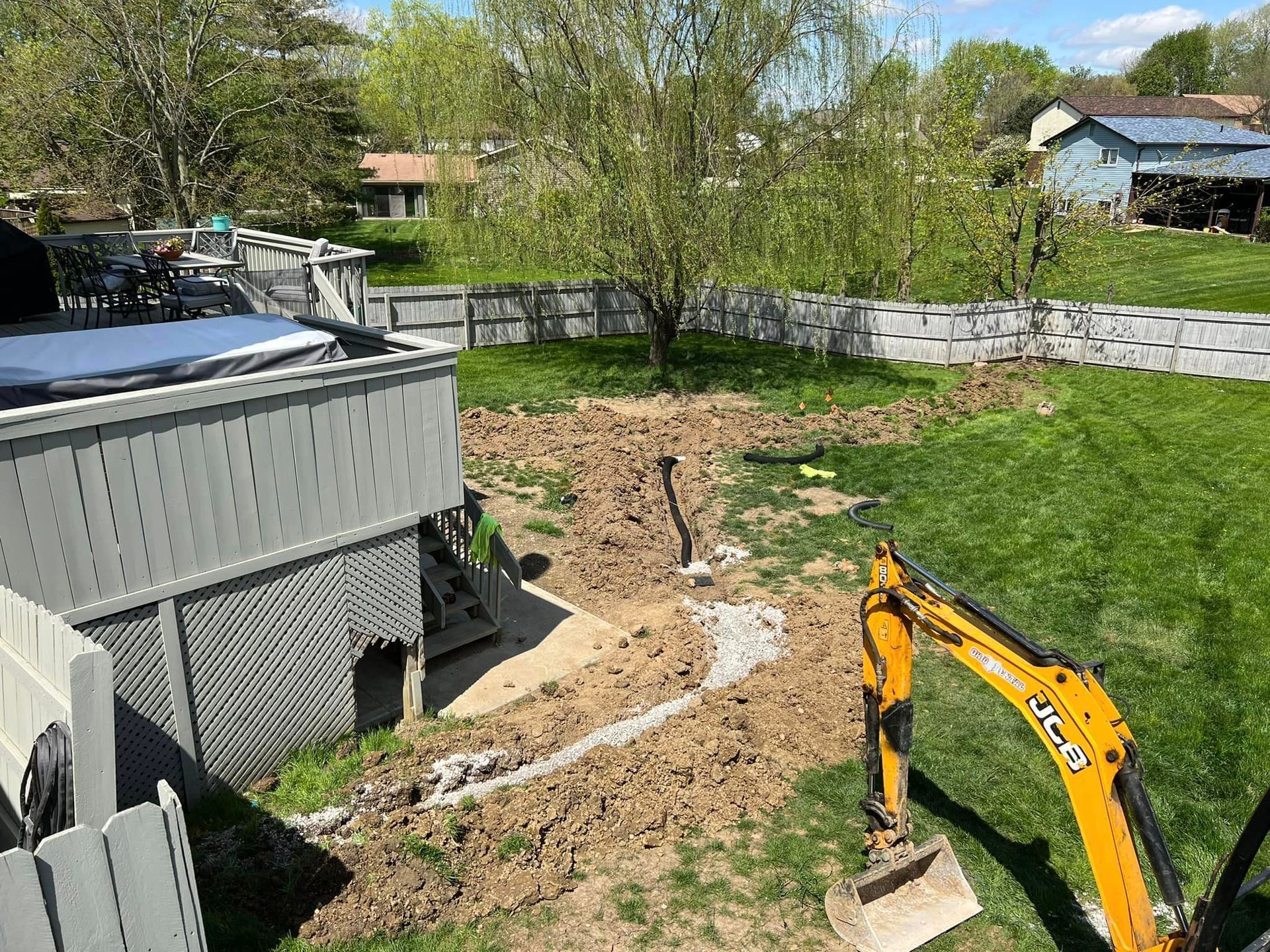
The Building Process
Let me walk you through what actually goes into creating a level pad like this. We started early - and I mean early. Getting on site before the day heats up means we can get more done and the equipment runs better in the cooler morning air.
The first step is breaking ground and excavation. We're not just scraping the surface here - we're digging down to create a solid base. Then comes the part most people don't realize takes so much work: moving dirt. We took material from over the hill and brought it in to build up this pad and get everything level. It's not glamorous work, but it's essential.
Creating that level surface takes patience and precision. You can't just dump dirt and call it done. We're constantly checking grades, making adjustments, ensuring everything drains properly. By the time we finished, this 60x60 area was perfectly level and ready for construction equipment to roll in.
Why Size Matters
Here's why we went with that extra 10 feet, and why it matters more than you might think. When construction crews show up in December to start building that 40x48 barn, they need room to work. Equipment needs space to maneuver. Materials need somewhere to stage. Workers need areas they can actually move around in safely.
That extra footage also gives the customer practical benefits right now. Need to park a vehicle while waiting for construction? Done. Want to come out and take measurements, visualize where things will go? Plenty of room. Planning out where those lean-tos will attach? You've got space to walk it out and see it in person.
We could have saved some time and material sticking with the original 50-foot depth. But thinking ahead - really thinking about how this space will get used - that's what separates a job done from a job done right. Long-term functionality beats short-term savings every single time.
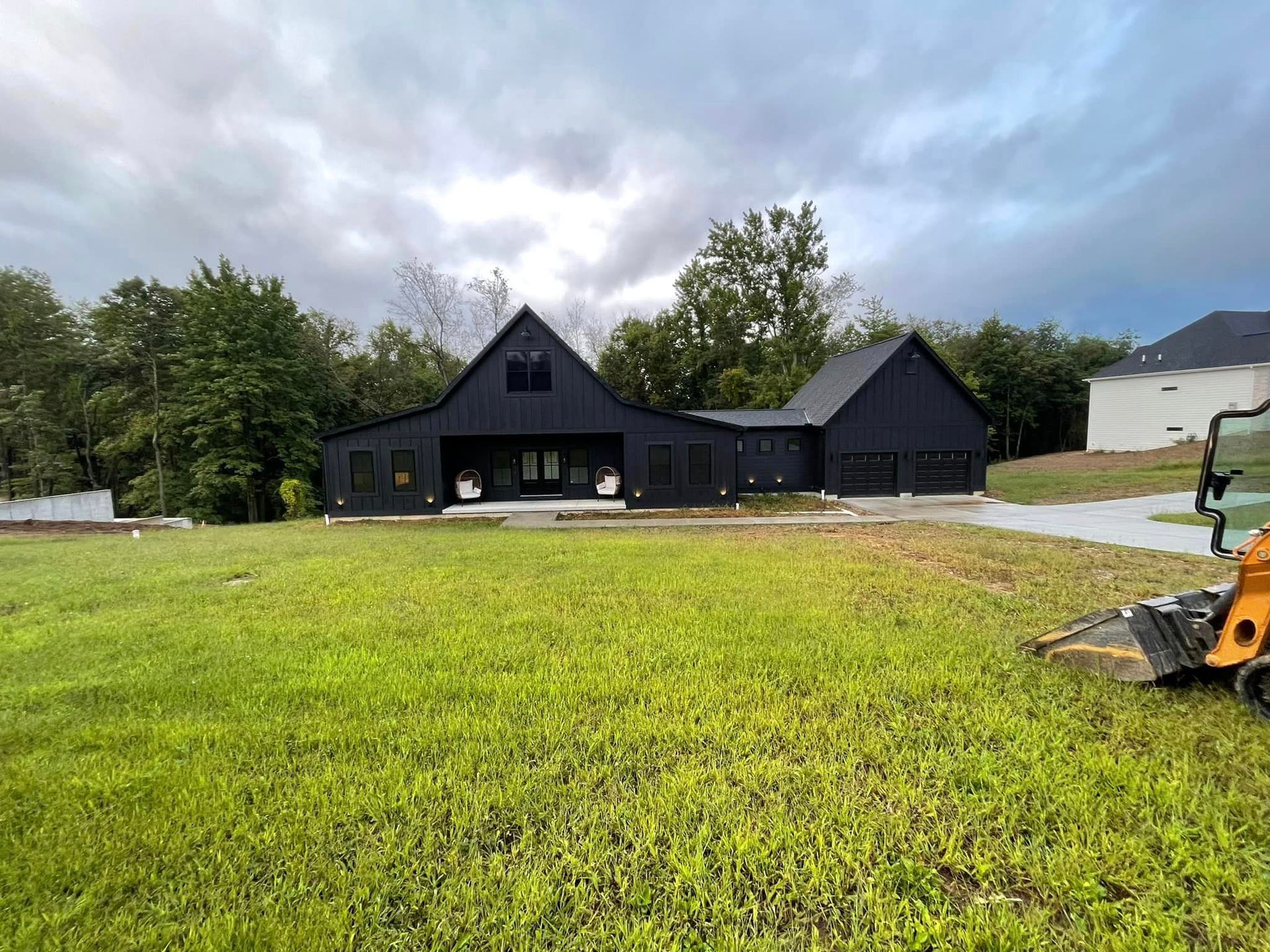
Real-World Challenges
Now let me be straight with you about something - every project takes its pound of flesh. Today, it was our skid steer tracks.
We just put new tracks on this machine back in spring. Eight months ago. And now we're replacing them again. Used to be we'd get two solid years out of a set of tracks. Now we're lucky to hit eight months before they need replacing.
Is it because we're getting busier and putting more hours on the equipment? Probably. Are these tracks just not made like they used to be? Also probably. But that's the reality of this work - you maintain your equipment, you take care of it, and sometimes it still asks for more.
I'm not complaining - this is just part of running a real excavation business. But it's worth mentioning because it shows you what goes into keeping these projects moving. The work you see is just part of the story. The maintenance, the repairs, the unexpected costs - that's all part of delivering quality work on time.
Getting Construction-Ready
So what does "construction-ready" actually mean? It's more than just having a flat spot. When we say this pad is ready for December construction, we're talking about a foundation that's been properly graded, compacted, and leveled. The builders coming in next month won't have to worry about uneven ground, drainage issues, or unstable soil.
That matters more than most people realize. When construction crews show up and the site is truly ready, everything moves faster. They're not fixing foundation problems or dealing with water pooling where it shouldn't. They're building. That's what proper prep work does - it lets everyone focus on their actual job instead of fixing problems that should have been handled upfront.
For our customer, this means they can start using the space right away if they need to. Take measurements, plan out exactly where things will go, even park equipment. When December rolls around and construction starts, there won't be any surprises. The foundation is solid, the pad is level, and everyone knows exactly what they're working with.
Closing
Building a barn pad isn't complicated, but it does require thinking ahead. That decision to go 60x60 instead of 60x50? That wasn't about upselling or adding unnecessary work. It was about looking at the whole project - not just today's work, but how this space will function during construction and for years after.
Whether it's adding extra space for maneuverability, planning for proper drainage, or just making sure everything is truly level - these details matter. They're the difference between a project that goes smoothly and one that fights you every step of the way.

Looking Forward
If you're planning a barn, shop, or any kind of outbuilding in central Ohio, don't overlook the foundation prep. We've seen too many projects start with problems because someone tried to cut corners on the pad work. Getting it right from the start saves time, money, and headaches down the road.
Need help planning your barn or shop pad? We work with property owners throughout the area to make sure their builds start on solid ground. Because at the end of the day, everything you build is only as good as the foundation underneath it.