Barn Pad Construction: Building a Livestock Foundation in Mount Perry Ohio
Double B Excavations & Grade LLC
Building Smart, Not Just Building Big
WHY YOUR BARN PAD SHOULD MATCH HOW YOU'LL ACTUALLY USE IT
Not every barn pad needs to be built like it's supporting a fleet of concrete trucks.
That's the reality we're working with today out in Mount Perry, where we're cutting in a 60 by 50 foundation for a livestock barn.
And because we know exactly how this barn will be used, we can build it the right way without over-engineering it.
Here's what I mean: A lot of contractors have one approach to barn pads - throw down the biggest stones, add multiple layers, and charge accordingly. But that's not always what your project needs.
When you're housing livestock instead of parking heavy equipment, the foundation requirements are completely different.
Building smart means understanding those differences and making choices that give you the best value without cutting any corners on quality.
That's exactly what we're doing in Mount Perry this week.
A straightforward two-day project that'll result in a solid, long-lasting barn pad built specifically for its purpose.
Welcome to Double B!
Project Overview
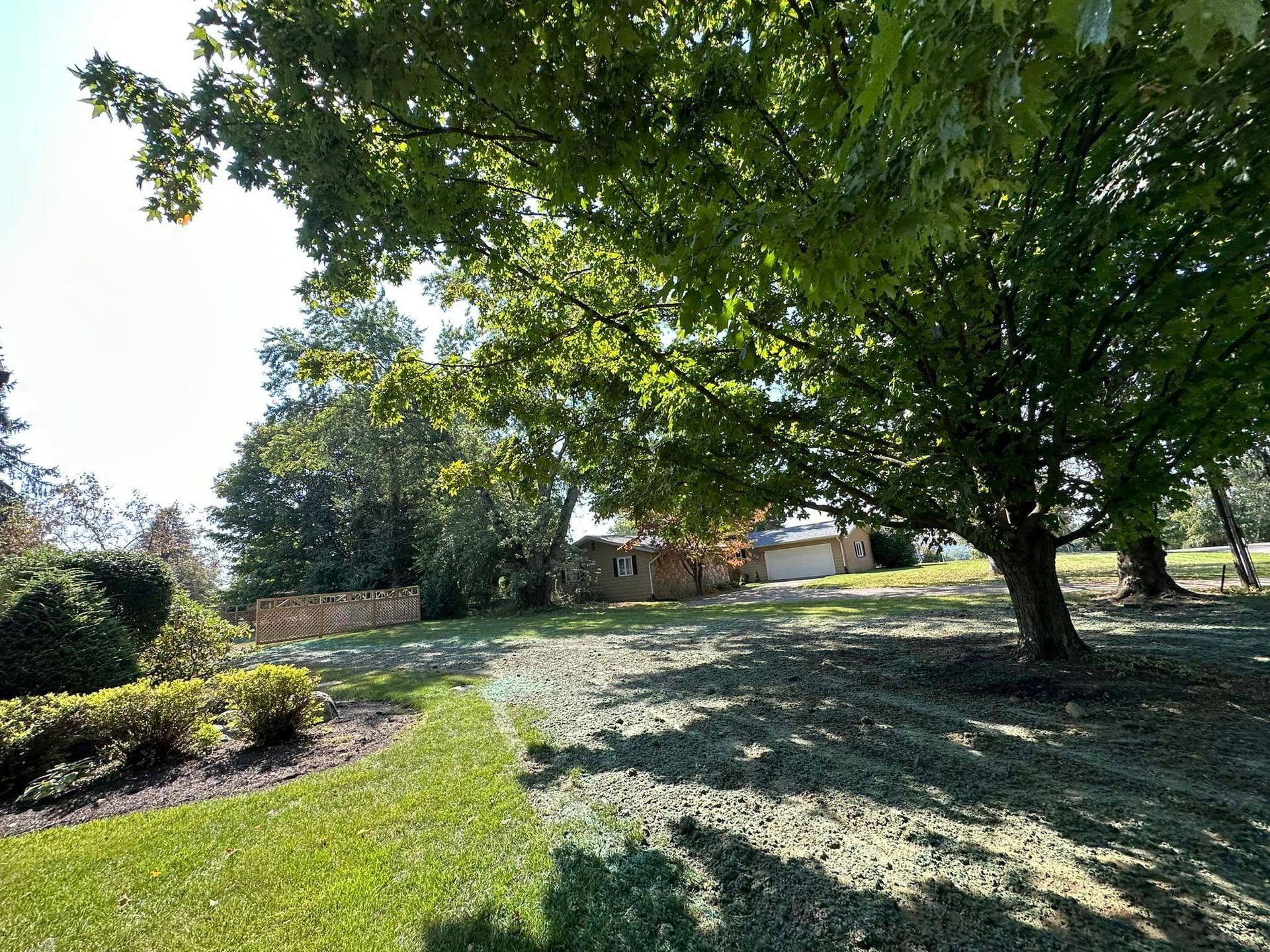
Out here in Mount Perry, we're working on a property that used to have a garden right where this new barn is going up. The customer needs a 60 by 50 pad - that's 60 feet deep and 50 feet wide - for a livestock barn. No tractors stored inside, no heavy equipment coming and going, just animals living their lives.
Day one is all about excavation. We're cutting the pad area, getting everything level and graded properly. There's a small overhang to account for, so we're pulling some T-posts and making sure we've got the dimensions right. All that soil we're moving? It's not going to waste. Since this used to be garden space, that's good topsoil we're relocating to another spot on the property where the customer can start a new garden.
Tomorrow, day two, we've got 60 tons of 304 stone being delivered. That's what we'll use to create the base and top surface of this pad. For a livestock barn, this single-layer approach gives us everything we need - solid footing, good drainage, and long-term stability.
The beauty of this project is in its simplicity. We're not over-complicating things, but we're also not cutting corners. We're building exactly what this barn needs to serve its purpose for years to come.
Understanding Different Barn Pad Needs
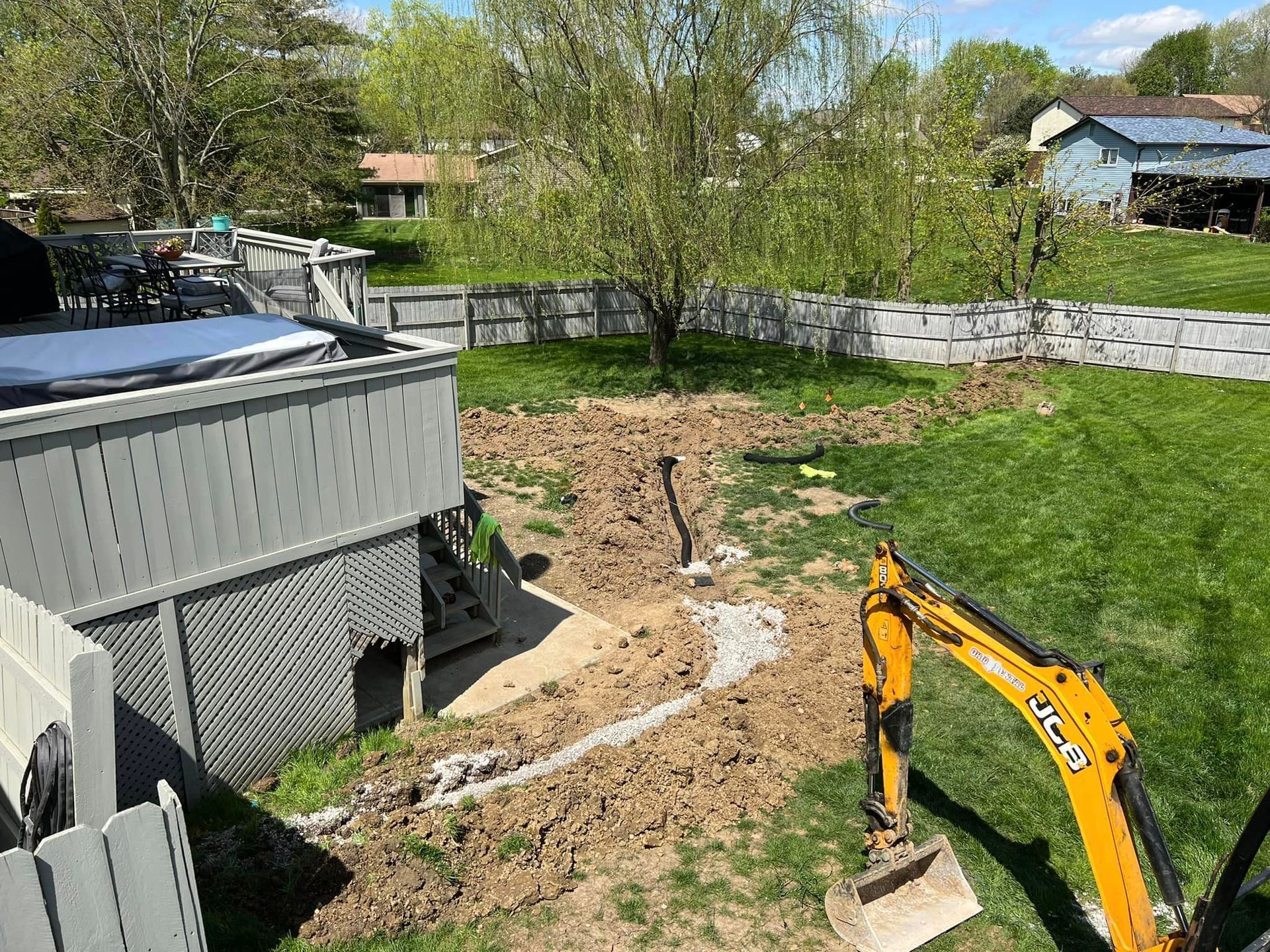
Let me break down something that might save you money on your next barn project. When we talk about barn pads, most people think there's just one way to build them. But the truth is, a barn for livestock needs a completely different foundation than a barn where you're storing tractors or running a workshop.
Think about the weight differences. A cow or a horse - even a whole herd of them - puts way less pressure on the ground than a single loaded truck or a piece of heavy equipment. When we build pads for equipment storage or areas where delivery trucks will be coming through, we use that two-layer system I've talked about before - big #2 stones for the base, topped with 304s. That's because you need serious load-bearing capacity.
But for livestock? They're not going to compact the ground the same way. Their movement is spread out, constant but light. That means we can build a solid, stable pad without all the extra material and cost that comes with preparing for heavy equipment loads.
Here's the bottom line: Over-building costs you money without giving you any real benefit. Under-building causes problems down the road. Smart building means matching your foundation to your actual needs.
Our Construction Approach for This Project
So how are we actually building this Mount Perry barn pad? Let me walk you through both days so you can see the process.
Today, day one, is all excavation work. We're out here with the machine, cutting in the full 60 by 50 area. The goal is to get everything level and properly graded. This property has a slight slope, so we're working with the natural lay of the land while making sure water will drain away from where the barn will sit. Nobody wants standing water around their livestock.
We're also dealing with that overhang I mentioned - the barn design calls for a small overhang beyond the pad, so we're pulling T-posts that were marking the old garden area and making sure our measurements account for that. Precision matters, even on straightforward projects like this.
All that soil we're moving? We're relocating it to another area on the property. The customer wants to start a new garden, and this topsoil is perfect for that. It's one of those details that doesn't add much time to our day but makes a real difference for the property owner.
Tomorrow morning, we've got 60 tons of 304 stone being delivered. Once that arrives, we'll spread it across the entire pad area, compact it properly, and create a stable surface that'll support this livestock barn for decades. Single layer, done right, built for purpose.
Making Smart Material Choices
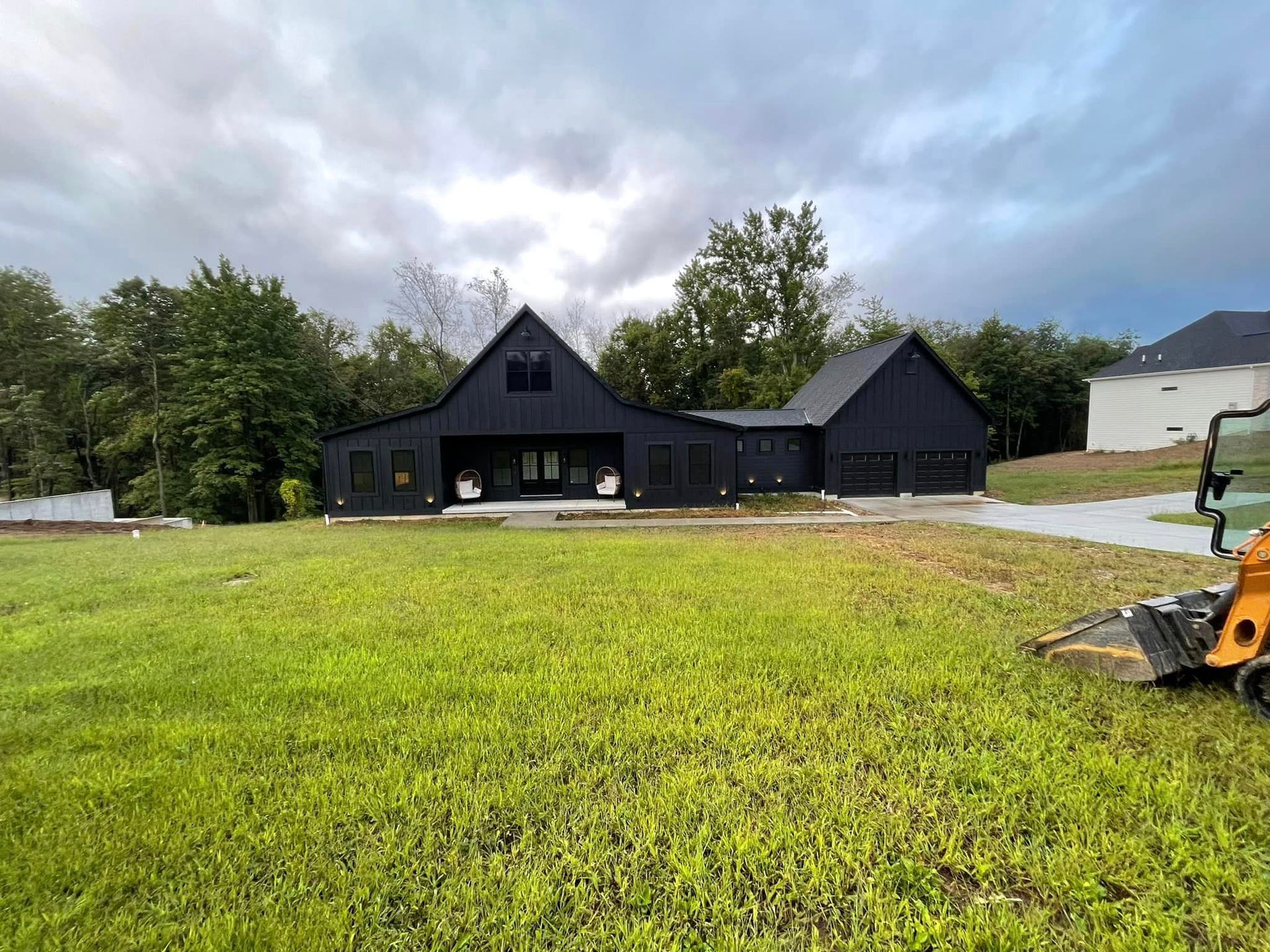
Let's talk about why we're using 304s for this project and skipping our usual two-layer approach. It all comes down to understanding what different materials do and when you actually need them.
The #2 stone we normally use for base layers - that's big, chunky rock that locks together to handle serious weight. When concrete trucks are rolling across your pad or you're parking heavy equipment, you need that kind of foundation. But all that extra material means extra cost, and if you're not putting that kind of load on the pad, you're spending money you don't need to spend.
For this livestock barn, 60 tons of 304s gives us everything we need. These smaller stones compact well, provide good drainage, and create a stable surface that'll hold up to daily livestock traffic without any issues. The pad won't shift, it won't develop ruts, and it'll shed water properly - all the things you need from a good barn foundation.
This is what we mean when we talk about building smart. We're not cutting corners - we're making informed choices based on how this barn will actually be used. The customer gets a solid, long-lasting pad without paying for materials and labor they don't need. That's good business for everyone involved.
The Details That Matter
Even on a straightforward project like this, there are details that separate okay work from work that lasts. Take that overhang, for example. The barn design calls for the roof to extend past the pad, which means we need to account for that in our layout. Get the measurements wrong, and suddenly the overhang doesn't line up right with the foundation. Those are the kinds of mistakes that cause headaches later.
Grading is another detail people overlook. We're not just making this pad flat - we're making sure water moves away from where it needs to go. Livestock barns deal with moisture, and the last thing you want is water pooling around your foundation or creating muddy spots right outside the barn. Proper grading from the start prevents those problems.
And then there's that soil relocation. Could we just pile it up somewhere or haul it off? Sure. But taking an extra hour to move it where the customer can actually use it for their new garden - that's the kind of detail that turns a transaction into a relationship. We're not just here to move dirt around. We're here to help people make the most of their property.
Closing
By tomorrow afternoon, this Mount Perry property will have a solid 60 by 50 barn pad ready for livestock. It won't be over-engineered, but it won't be under-built either. It'll be exactly what it needs to be - a stable, well-drained foundation built for its specific purpose.
That's really what all of this comes down to. Whether you're building a small livestock shelter or a large equipment barn, the foundation should match how you're actually going to use the space. Not every project needs the most expensive solution, but every project deserves the right solution.

Looking Forward
Planning a barn project in Mount Perry or anywhere in central Ohio? Let's talk about what you're building and how you'll use it. We can walk your property, discuss your needs, and figure out the smart approach - not the most expensive one, not the cheapest one, but the one that makes sense for your specific situation.
Because at Double B, we build foundations that work. And we do it without wasting your time or your money.